
Whether you manage your home full-time or not, the skills you use to manage your home are invaluable. Let’s take a look at the homemaking skills anyone – men and women – can learn, refine, and put to use to bless their families and steward their resources well.
While home economics may sound like an outdated term, the knowledge and skills within this field are highly relevant today. If this surprises you, you may not be familiar with all that home economics encompasses.
Food safety, time management, consumer finance, meal planning, and so much more. Home economics is touted as teaching children life skills they can apply to life outside the “nest,” so they become functional adults.
Proper home management is an essential aspect of becoming a functional adult.
Even if you can only cook a few meals and do chores once a week, that’s an incredible leap into taking responsibility for your home and managing what you have. You don’t have to make home management a career.
When we develop a sense of pride for the work we do instead of operating out of fear, that gives us so much more confidence to tackle other parts of adulthood. Don’t be afraid to try something new!
The skills you can learn from home economics of old can be a blessing to you and your family.
Let’s start something new together. Let’s say this is Homemaker and Happy’s School of Home Economics.
Pin this post for later!
Table of Contents
This blog post grew quite a bit as I continued to dig and find valuable information! The history section in particular is lengthy.
If you want to jump straight to the tips and breakdowns of home economics, feel free to use this table of contents to navigate this blog post. I highly recommend you dive into the history of home economics when you’re done. The birth of the movement may surprise you!
At the end of each section, I have related blog posts for you to dive even deeper into these subjects!
The Focus of H&H Home Economics
Subscribe for Homemaking Emails!
Health Management and Wellness
Child Development and Family Relationships
Make Your Home Your Own Field of Study
A History of Home Economics
The beginnings of home economics are actually rooted in science. In the 1870s, Ellen Swallow Richards, American chemist and one of the first women to graduate from the Massachusetts Institute of Technology (MIT), began a program and worked to open a women’s laboratory at MIT to encourage women to learn about the sciences.
Richards continued her work in the field and went on to lobby for home economics classes in public schools. During a conference in 1908, the American Home Economics Association (now the American Association of Family and Consumer Sciences) was born. From those conferences, the framework for the curriculum still used in home economics classes today was also born.
Richards is connected to work in nutrition, home sanitation, housing, and education. Specifically, women’s representation in science in the northeastern United States.
Many credit Richards’ work as a foundation for the growth that the rest of the United States was set to experience.
In 1914, President Woodrow Wilson signed the Smith-Lever Act, which established the National Cooperative Extension System. This began a partnership between the United States Department of Agriculture (USDA) and universities to help introduce research-based knowledge about agriculture and home economics to rural communities.
What’s more, the act is credited with creating the Purnell Act of 1925, which led to advancing research on home economics, agricultural sciences, and even nutrition. The combination of the two puts all of this research into the hands of rural communities.
Early home economists worked as researchers and scientists. From there, they began growing their careers in business (like food or textiles), public health, and government.
Home economics even grew during the Great Depression, as researchers focused on frugality and self-sufficiency to navigate the widespread poverty.
Home economics curricula were reinforced in schools during the 1930s and 1940s to promote effective household management during this time of economic hardship. This is where things like mending clothes, cooking nutritious but low-cost meals, and strict budgeting were taught.
Even before the Great Depression, early home economics programs focused on mending or restoring materials and providing nutritious meals to rural or financially stretched populations.
It’s natural to understand how women seem to be at the center of the home economics movement. They were the household managers. Even as the nation saw the 1950s, 1960s, 1970s, and on, consumer spending rose, and proper home management was still a necessity.
Home Economics Today
Our grandmothers learned from the farmers who benefited from those extension services. What has trickled down to us, the homemakers of today, has been a beautiful combination of family remedies, frugal grit, and a sprinkling of school knowledge from a curriculum designed by home economics founders.
Today, we can weave our story into the web of home economics with blogs like this one. But we can still reference the work (science) that began with home economists so long ago.
The American Association of Family and Consumer Sciences published a 100-year overview of its history in 2024. In it, it states that Family and Consumer Science is people-centered science with the aim of assisting people to live healthy lives through education, research, and technology.
Primary areas of focus for the FCS include culinary arts, hospitality, health management and wellness, food science and nutrition, child development and family relationships, personal and family finance, and textiles.
Nowadays, there is a shift away from the roots of home economics as the push for academics rises. Women’s involvement in the workforce also takes the movement in a different direction. The focus of the audience on these critical sciences is no longer in the home.
If you have been around this blog for any amount of time, you know that my choice (and my encouragement to you) to stay home is a personal one, not a scientific one. I am passionate about the role I play spiritually and emotionally for my family.
I am thankful that I am able to rely on the scientific teaching that has come before me to give my family nutritionally dense meals. But what’s more, I’m thankful for the education that home economics provides.
When we make decisions with information, we can operate from a position of confidence. We aren’t operating out of fear. Whether we know more about how to mend clothes, balance our checkbook, or cook a nutritious meal, we can do those things in confidence.
If Spirituality Doesn’t Speak to You, Maybe Money Does
Home economics is relevant today because inflation has gone up every year since 2020 and wages have barely kept up.
The USDA estimates the average cost to feed a family of four in January 2026 is $1,000. And the Environmental Protection Agency estimates one-third of the food produced for human consumption is not actually consumed. It ends up in landfills. This includes food from the grocery store, farmer’s markets, or restaurants.
While the literal weight of that food might not be something we feel, that same study estimates the average family of four wastes $1,500 of food per year. That’s more than a month’s worth of groceries according to the USDA!
By taking cooking lessons and food safety tips from a home economics course, you can learn how to safely reheat leftovers or store food long term (either through canning or freezing) and save money.
Your pantry isn’t the only place you can save money. Through thrifting, shopping sales, cooking from scratch, mending and repairing items before buying new, and so many more useful home economics principles, you can save money.
Think about some of the data –
- In 2024, parents spent an average of $874 on back-to-school shopping. This includes clothes, shoes, and school supplies. A different study published the same year estimated the median cost to raise a child in the United States was $22,850 per year.
- In 2024, out-of-pocket expenses totaled 11 percent of the national health expenditure data.
- In 2023, the average household spending on clothes was over $1,000. A beginner sewing machine is about $100, and zippers and buttons are much cheaper than that.
Homemaker and Happy School of Home Economics – “Lesson Plans” and Focus
I think the FCS hit the nail on the head – home economics should focus on people and educate them on how to live healthy lives. I would like to turn that focus from people to family.
Make your home your field of study. What rhythms and systems work best? What food does your family like to eat? What games do they like to play?
From there, you can think of how to purchase those foods or games on a budget. You can learn how to mend clothes and create your own artwork or decor to save yourself even more money. And as you do these things as a family, you can enjoy their company, reducing your stress and your family’s stress.
You aren’t dragging your family all over town, spending money frivolously. You are building memories and relationships.
Let’s focus on the specialty areas of the FCS and walk through them one by one to save money and grow healthy families. This is not an exhaustive list.
This post contains affiliate links. That means when you click on a link and make a purchase, I make a commission at no extra cost to you. As an Amazon Affiliate, I make an income from qualifying purchases. For more information about my disclosure and privacy policy, visit this page.
Culinary Arts
Culinary arts is literally preparing, cooking, and presenting food.
Food preparation in a home can help a busy mom stay ahead of snack time. It can also cut down on the time it takes to get dinner on the table. And we all know some home-cooked meals cost less than taking a family to a restaurant.
Your first lesson in home economics is researching proper food preparation techniques. What are ways you can save time and resources in the kitchen? This includes cooking!
I am not going to harp on presentation. While it is a valuable skill, and it can help persuade a toddler to eat their dinner, food presentation isn’t a requirement for a family dinner in my home. I can’t expect it to be a requirement in yours if I’m not willing to spend the energy on it.
Related Blog Posts:
Strategies and Tips for Mastering Meal Prep
20 Kitchen Skills Every Homemaker Should Know
Hospitality
Hospitality is that loving aspect of anticipating a guest’s needs. These are things like taking off their coat, creating a warm environment, or preparing a delicious meal that suits their dietary needs.
More than that, hospitality also encompasses etiquette, like table manners, table settings, and hygiene. Don’t think of things like wearing deodorant (although that’s helpful). Think of things like cleaning the kitchen or washing your hands.
One of my favorite hospitality hacks is to keep cookie dough in the freezer and mixed nuts and crackers in the pantry. Even if guests come, I know that I have a snack plate and a sweet treat ready for them. And because I do my best to stay on top of my cleaning routine, I can spend my time preparing for guests simply by picking up and not tackling a deep clean.
What are some ways you show hospitality to your family? Comment on this blog post and let me know!
Your next home economics lesson is to come up with one or two ways you can stay prepared for guests. Maybe you take my hack and keep cookie dough in your freezer. Think of things that work best for you, your guests, and your season of life.
Related Blog Posts:
Practical Ways Children Can Help With Hospitality
Helpful Tips for Hosting Overnight Guests
Prepare Your Home for Fall – Free Checklist
Don’t get overwhelmed!
Subscribe to my weekly newsletter to see how I practice what I write about. For even more homemaking inspiration, follow me on Pinterest!
Health Management and Wellness
This might seem overwhelming to the modern homemaker, and that’s because it is. We are looking at the whole person! Let’s break this down and tackle health and wellness one area at a time.
Your home economics “homework” is to create a sort of checklist for your family of things you do to stay well. Don’t think that this is some sort of supplement routine. This list could look like reading together for 20 minutes every day and going out for ice cream as a family once a week.
Physical
Outside of prolonged illness, I think that you can stay healthy with a lot of sunshine, nutritious food, and good sleep. How we go about that is going to look different for every family. But the overarching principle remains.
Personal hygiene is arguably at the top of this list. Both for you and your family.
Your home economics lessons are to come up with a routine to get ready for the day and get ready for bed. I think what’s key here is not to look at the clock. Your routine shouldn’t be dictated by what other homemakers do. Either by time or products.
Do what works best for you and your family and know that that’s what matters.
Emotional
I talked a bit about creating a stress-free environment for your family already. But the calm and order in the home is just the beginning.
How are you relating to your family? Do you make time to enjoy them during a family activity? When you do that, it will make your relationship strong enough to weather the hard times. Do you take the time to listen to what’s on their hearts? What’s bothering them?
Fostering relationships with your family is such a gift! And sometimes it’s easier to do when you have had a moment to yourself.
As the orchestrator of meals, fun, and family, it can be overwhelming! I like to take a few moments, usually throughout the day, to find a bit of calm in the crazy. For me, that looks like a Bible study in the morning, writing a bit in the afternoons, and connecting with my husband over a good conversation every evening.
Related Blog Posts:
How to Find Rest in Your Busy Homemaking
A Sample Daily Evening Routine for Homemakers
Social
The social aspect of health and wellness extends farther than a fun playdate. Remember – our focus is our own family!
I want you to look at your family as its own social hierarchy. From there, everyone can better understand their roles and responsibilities within the family. I’ll use my home as an example.
In our home, my husband leads our family. I am his trusted advisor. That means that he makes the final decisions for our family, whatever they may be, but I contribute to those decisions, whether it’s through my own research or voicing my own opinion. Our children have an equal voice at the table, but again, the final decision is made by my husband.
In terms of how the home operates, everyone plays a critical role in meal prep, cleanliness, and fun. Participation is expected, encouraged, and sometimes required. Building our family unit and helping our children understand how much we value them and enjoy their presence is the foundation of social wellness for our family.
Strengthening families is just one aspect of the social impact you could teach your family! You can also think of things like recycling and resource management, and the social implications those have. Or, you can highlight that empowerment piece and encourage your children to learn these skills so that when they leave your home, they are socially in line with their peers when they grasp their independence.
Related Blog Posts:
Free (or Cheap) Family Activities for Fall
Frugal Spring Activities for Kids, Families
The Best Free or Cheap Winter Activities for Families
Free or Cheap Family Fun Summer Activities
Environmental
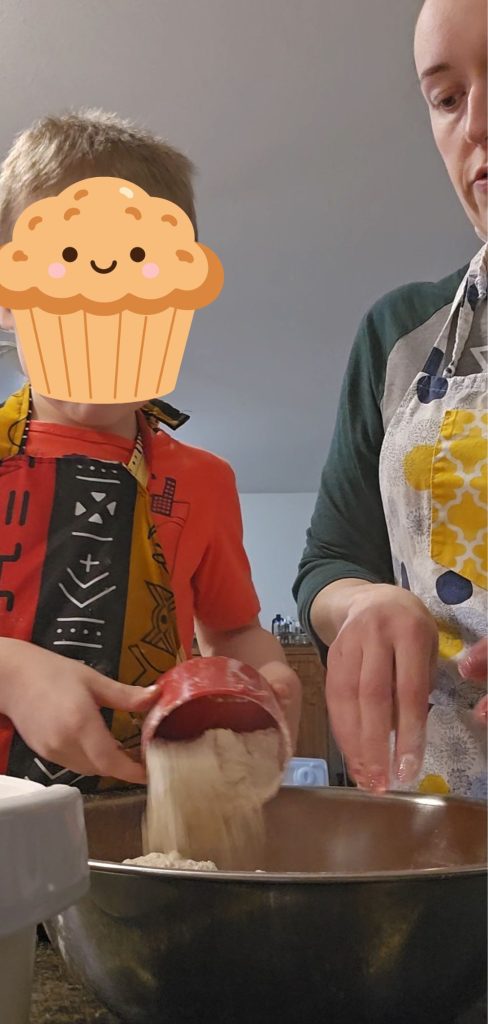
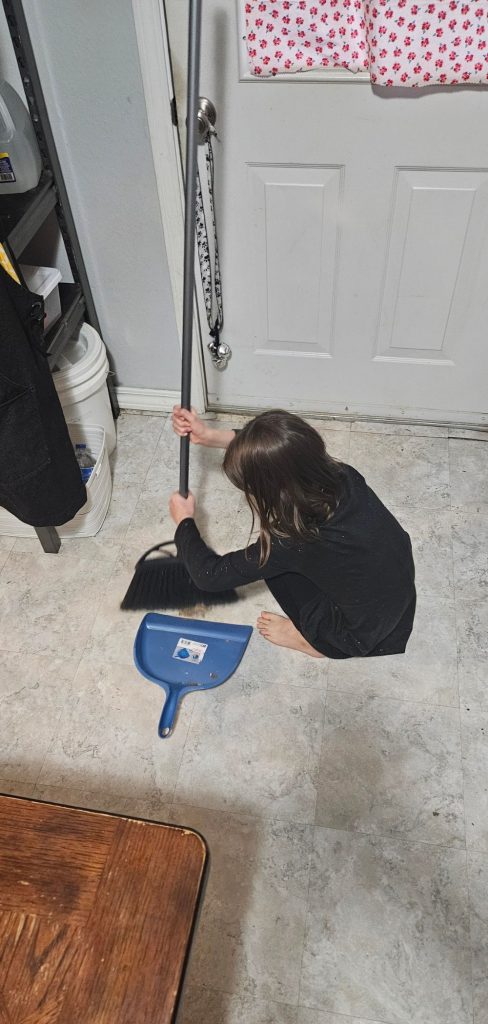
Our homes are where our families live. And our families deserve clean living quarters. That’s why I created a homemaking routine that touches on a small area of your home every day. You won’t let anything fall through the cracks, but you also aren’t spending all of your time cleaning and maintaining your home.
The systems we create are for the bigger picture – so we can enjoy our families!
Some modern home economics courses expand environment in to environment consciousness. This is where reuse, recycle, and renew comes from.
Take a look at your neighborhood, city, or county. Is there a trash pick-up you could participate in? Or a tree planting day you can participate in?
Related Blog Posts:
Time Saving Cleaning Hacks for Busy Moms
Sample Weekly Homemaking Routine (To Get It All Done)
Sustainability
None of this is achievable if you can’t sustain it.
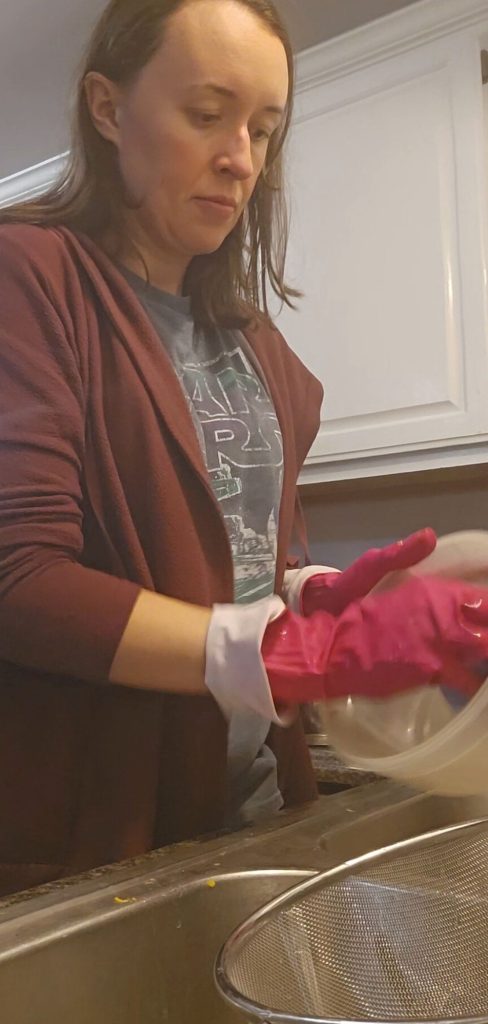
Your home economics lesson is to incorporate periods of rest into your homemaking routine. That’s how you keep from burning out!
Food Science and Nutrition
Human nutrition can be a complicated subject. So let’s just start with a balanced meal.
You can do a quick search into proteins, fruits, vegetables, and carbs to see what amounts work best for your family. Consider creating a family cookbook full of your favorite meals!
Food preparation is also one of the earliest skills you can begin teaching your children. It’s such a great way to get your children involved in the home!
If you are looking for other ways to get your children involved, consider a vegetable garden! Even if you live in an apartment, there are varieties of plants you can grow that reach a max height. Many even bear fruit in a month or two.
A container garden is a fantastic way to introduce your children to food science and nutrition. It’s a tangible way to teach them where their food comes from and truly get them connected to the farmers they may meet at a farmer’s market.
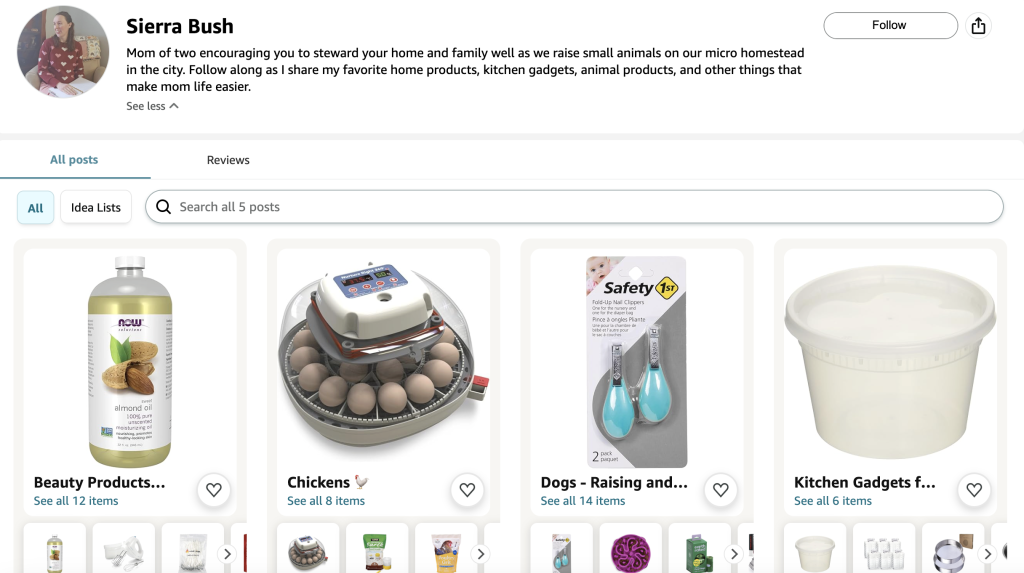
If you are struggling to get your children involved in the kitchen, I’m linking to some of the products I use. These are the plastic knives I use with my own children. My daughter loves this cookbook.
For a full list of some of the products we use, check out my Amazon Storefront!
Child Development and Family Relationships
As an expectant mother, my birthing class prepared me for the realities of an epidural, how to manage a contraction, and gave me an estimate of how my recovery was going to go. And I thought, “wow! I’m so glad I took that class!”
As a mother two times over, I wish I had ditched the birthing class and invested in learning about stages of child development, infant nutrition, basic medical skills, and the like.
Now, I know that that’s a wild stance to take. After all, birth is such a transformative experience! My point is, birth is a sliver of absolutely everything you tackle in motherhood, that in the grand scheme of things, a birthing class didn’t add any benefit to motherhood for me.
Young women, especially those planning to stay at home with their children, could benefit from child care classes. In no order of importance, I recommend the following topics for teenagers and older adults.
- CPR Certification. I was certified by my local fire department. These are readily accessible classes, and you can look up organizations like the American Heart Association or the Red Cross to find classes near you.
- First Aid. Usually hosted by the same organizations, first aid classes are an incredible way to learn basic response skills that may help you in an emergency.
- Child Nutrition. Food pantries and community centers in your area may offer child nutrition classes. If you are a mom with kids, your children may be able to accompany you! These nutrition classes can give you the direction you need to create balanced meals or filling snacks.
- Child Development/Family Relationships. Many of my area hospitals offer baby basics classes and breastfeeding classes (which may contain some of the same information). Look into these classes for resources and materials you can study! If you’re looking to dive into materials right away, check out my must-read book list for moms.
All of these recommendations are also great places to find other moms going through the same thing. So not only can you focus on the learning experience, but you’re going through it with families who know your station in life.
Personal and Family Finance
I have already spoken a bit about the pressures finances can put on you. Between the cost of inflation and the estimated cost of raising children, the pressure can be a lot!
That’s why things like savings, getting out of debt, and living within your means are critical to a healthy household.
It’s so common to live paycheck to paycheck. And when we get in that habit, we are much more likely to lean on a credit card to finance the purchases we think we need. If we reframe our mindset and consider building a nest egg (savings) for expected and unexpected expenses, we can keep cash in our own pockets instead of paying extra interest rates.
This is where getting out of debt comes in handy. The average interest rate for a credit card in January 2026 is about 21%. On an annual percentage rate, you would pay $1.75 per month on a $100 balance, if you never paid off the card over the course of the year. That’s if you don’t factor in penalty charges or late fees.
You’re probably thinking, “$21 per year in interest doesn’t seem like a lot to pay. Especially if I’m paying it off every month!”
And you’re right. But we haven’t even started talking about car loans, student loans, or home loans. The average interest rate on a car loan in January 2026 is 6.5% – if your credit is already exceptional!
That’s a guaranteed $50 to $150 you are paying, monthly, in interest if you have a car loan. While $21 may not seem like a lot to pay over the course of the year, what about $600 to $1,800? I’m assuming you won’t be paying your car loan off every month, or you wouldn’t have taken out the loan to begin with.
Can you afford to pay an additional $1,800 per year on a vehicle? We know that that’s almost two months’ worth of groceries. It’s an entire year’s worth of clothes for the average American household. What else could that money buy?
Weighing the cost of the decisions we make is a basic home economics skill everyone – men and women – can benefit from. This is a basic home ec principle everyone should be learning! If you haven’t already, dedicate yourself to personal finance as an area of study. Dig into interest rates and truly understand what the terms of a loan mean. This is valuable information you can use to make decisions that save your family money.
Finally, living within your means is the ultimate way to conquer personal and family finance. You only have so much money coming in every month. Set that as a boundary and learn to live within that boundary.
My ultimate resource for money management is Ramsey Solutions. Take a look at their resources and get your family financially fit!
Related Blog Posts:
Tips for Living Off of One Income (Without Credit Cards)
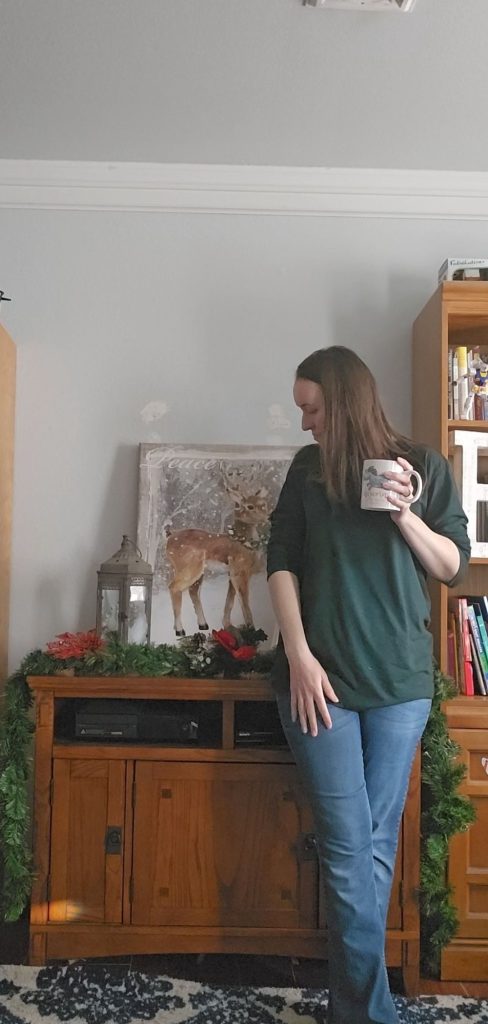
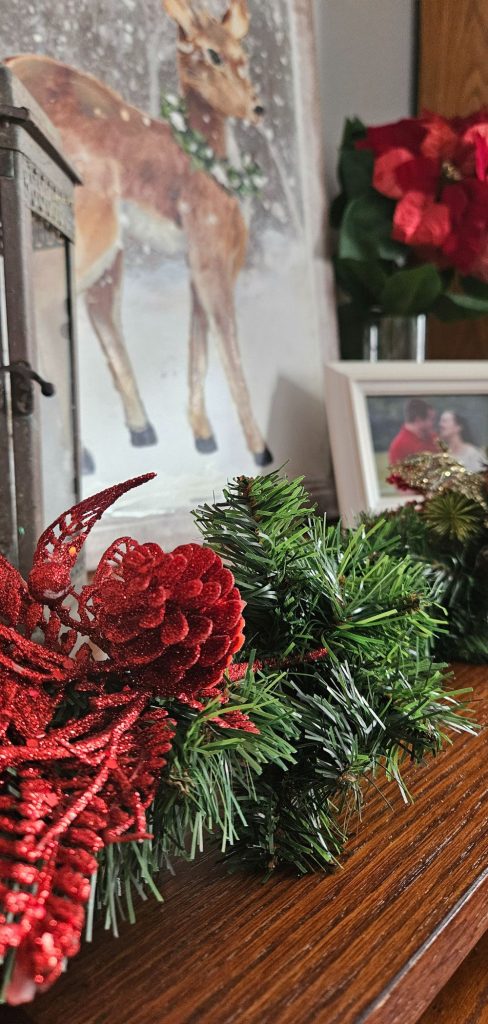
You can save money on things like Christmas decorations by making them yourself! With some floral twine and an imagination, you can save almost $50 on a beautiful Christmas garland.
Textiles
Textiles doesn’t sound like the most thrilling home ec principle to study. And I agree. But everyone wears clothes. And if we want to get the most use out of them, it’s an area worth studying.
Textiles in home ec can mean sourcing fabrics ethically and sustainably. But it can also mean understanding what materials work best for certain situations (you don’t want to use a silk rag to wash the dishes), washing them, and mending them.
You can get a lot of this information from the care tags already on your clothes, towels, and linens. If you take a sewing class, you can gain even more knowledge.
Consider stepping even further into textiles. You can reupholster furniture. If you want to explore a more creative side to textile work, consider pursuing work in rug making or wall decor. If you don’t want to work with thread, consider basket weaving.
I don’t have a great textiles resource for your study. Do you have one? Comment on this blog post and let me know!
Make Your Home Your Own Field of Study
Homemakers are not just housekeepers. And I think this massive blog post represents that perfectly!
Where else can you be expected to be a chef, accountant, janitor, counselor, nutritionist, trainer, and so much more? Surely nowhere outside the walls of your own home.
Being a homemaker is the most mentally challenging thing I have ever done. And the weight of preparing my own children for the world is not lost on me!
What would you add to a roster of homemaking education? As crazy as it sounds, we have only scratched the surface of all there is to know about homemaking. Comment on this blog post and let me know!
Leave a Reply